
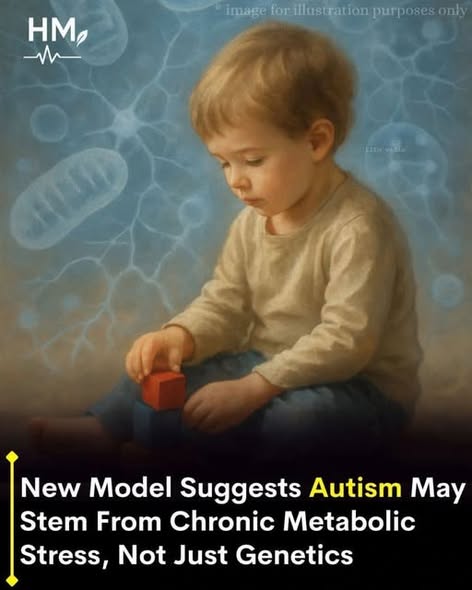
💞💞AN AUTISTIC BRAIN IS MORE ACTIVIATES THAN A NEUROTYPICAL BRAIN “60 Minutes” has featured segments exploring the autistic brain, specifically focusing on groundbreaking imaging technology that reveals unique structural, functional, and connectivity differences. These reports often highlight how brain scans show, for instance, a “jumbled mass of fibers” in connections related to sensory processing and communication.
Brain Connectivity Differences: Advanced scanning techniques show that the autistic brain often displays unique, sometimes chaotic, connectivity patterns, particularly in areas responsible for language and social interaction.
Unique Processing: Stories have highlighted individuals with extraordinary, specialized cognitive abilities—a “savant syndrome” or “island of genius”—contrasting with other developmental challenges.
Alternative Communication: Episodes have explored innovative, often non-traditional methods to help autistic children, such as using animated characters or musical therapy to break through communication barriers.
Neuroplasticity and Support: The focus is frequently on understanding the brain’s unique wiring to develop better therapies and educational approaches, rather than simply defining it as a deficit.
Employment & Talent: Reports focus on the specific cognitive strengths of autistic individuals, such as extreme attention to detail, which are highly valued in fields like data analysis and software testing.
Recent studies, including a “three-hit” model, suggest that Autism Spectrum Disorder (ASD) arises from chronic metabolic stress, where genetic predisposition, early environmental triggers, and prolonged cellular distress interfere with brain development. This model indicates that ASD may stem from a stalled cellular danger response, potentially making it a treatable metabolic condition.
https://www.cbs.com/shows/video/rqhPrY1tSoSQW_chlBgQEDXRiOmFIZUn/
https://today.ucsd.edu/story/three-hit-model-describes-the-causes-of-autism